
Description
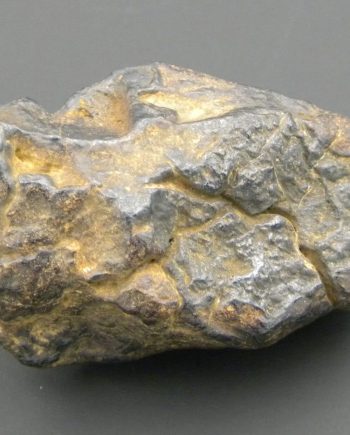
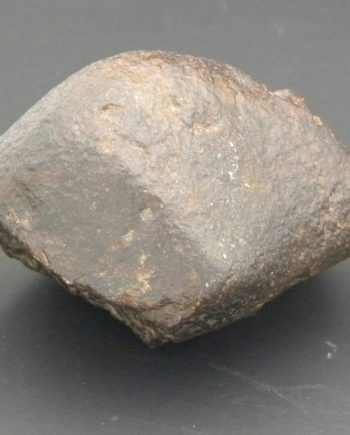
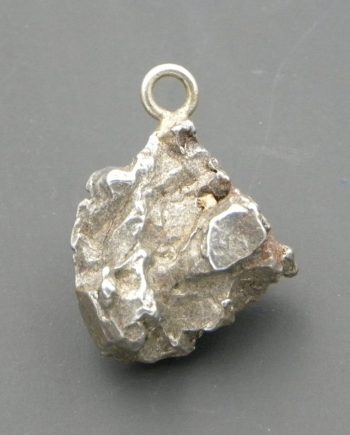
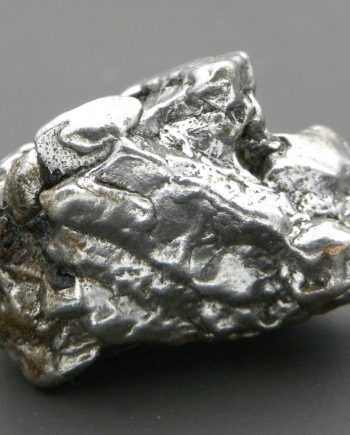
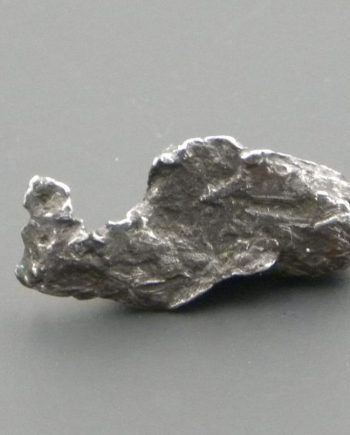
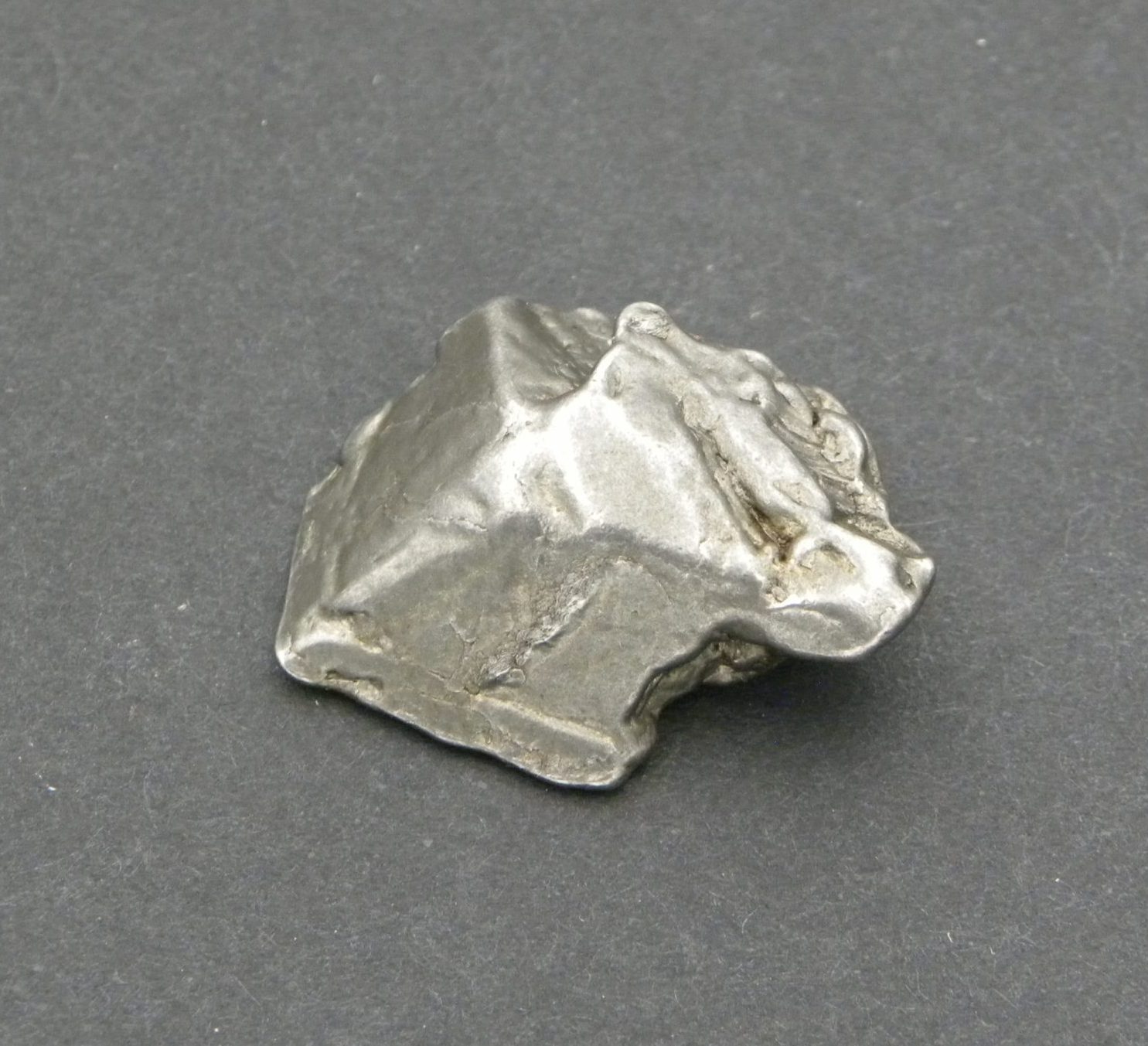
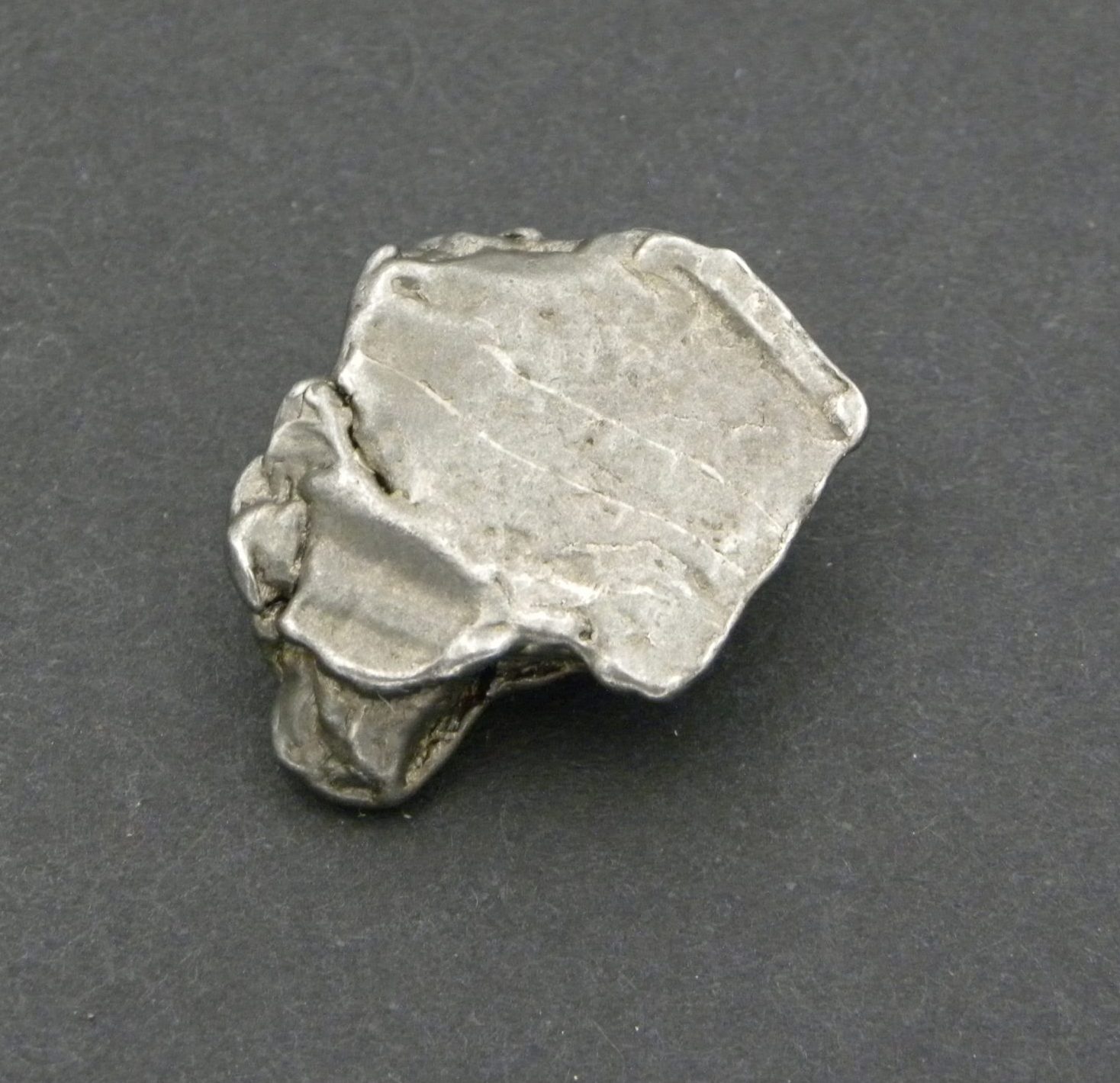
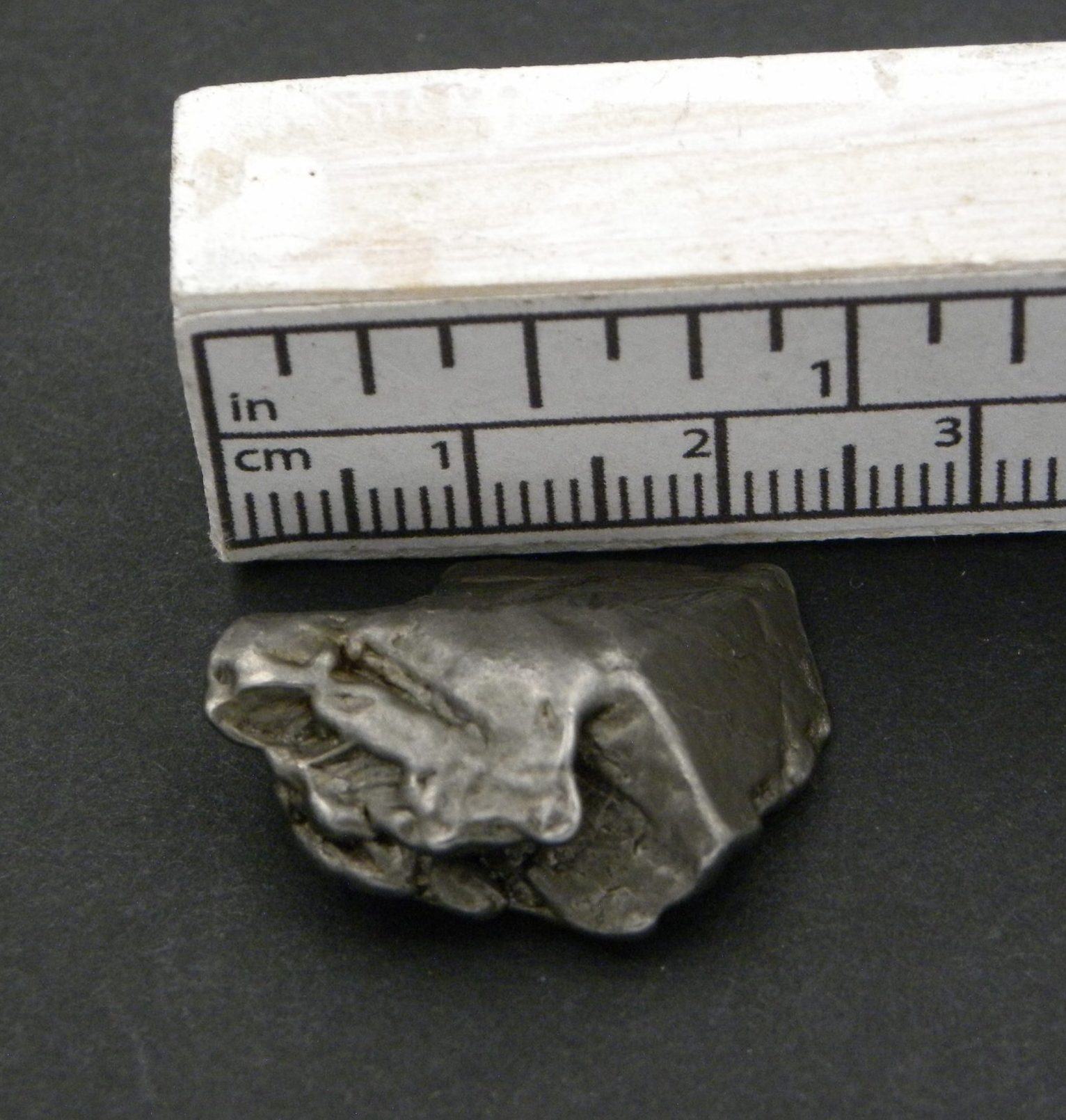
Aletai Meteorite, 8.2gm
This section of the Aletai meteorite, weighs 8.2gm is from one of the largest known Iron Meteorites. The Aletai Meteorite was originally called the Armanty, or Xinjiang meteorite. This Iron Meteorite (coarse octahedrite) belongs to an extremely rare chemical group IIIE-an. Only two other meteorites are known of this type. The strewn field from this meteorite covers a vast axis of at least 430km, the largest anywhere in the world. The first fragment was recorded in 1898 and thought at the time to be from a single meteorite. When other fragments were recovered much later it was established that this was one or the worlds largest known meteorites. The largest fragment recovered weighs 28 tons making it one of the biggest pieces ever discovered.
The three principle groups of meteorite; the Chondrites, the Achondrites, and the Iron Meteorites.
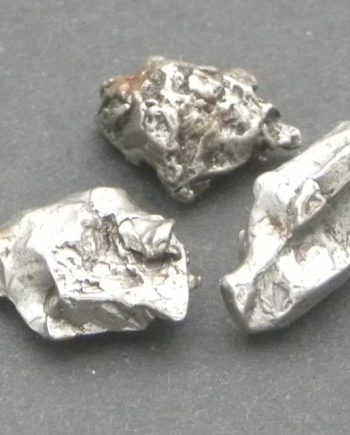
Iron Meteorites represent only 5% of all meteorites. These consist of iron-nickel alloys, including Kamacite and taenite. Rarer still are the stony-iron meteorites, these consist of iron-nickel metal and silicate minerals. These however make up only 1% of all meteorites found.
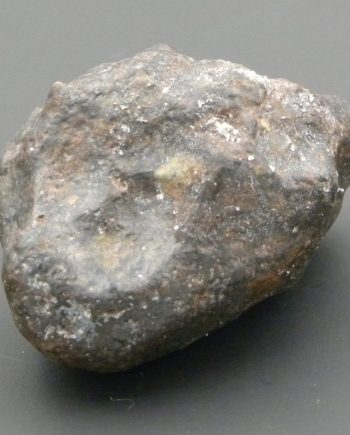
Chondrite Meteorites get their name from chondrules, these are the small round particles of silicate material inside. They do contain iron but a smaller quantity compared to other meteorites. These are some of the oldest known rocks in the solar system, formed within the solar nebular 4.5 billion years ago.
Achondrites differ from chondrite meteorites because they don’t contain chondrules. These meteorites are igneous, so at some time they have melted into magma. These are also ancient rocks originating from various asteroids. A small number however appear to have come from the Moon and also from the planet Mars.
Back To Meteorites