
Description
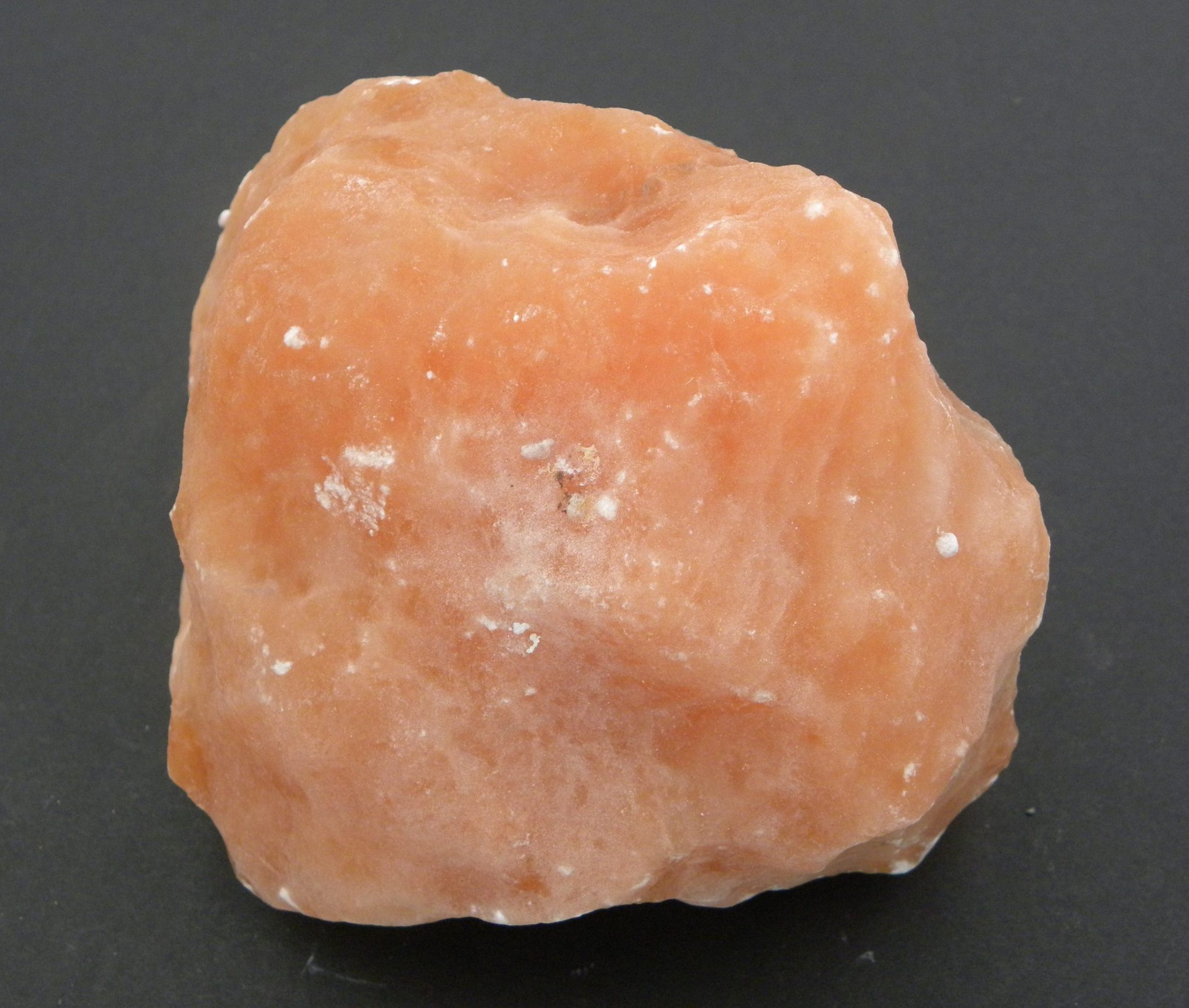
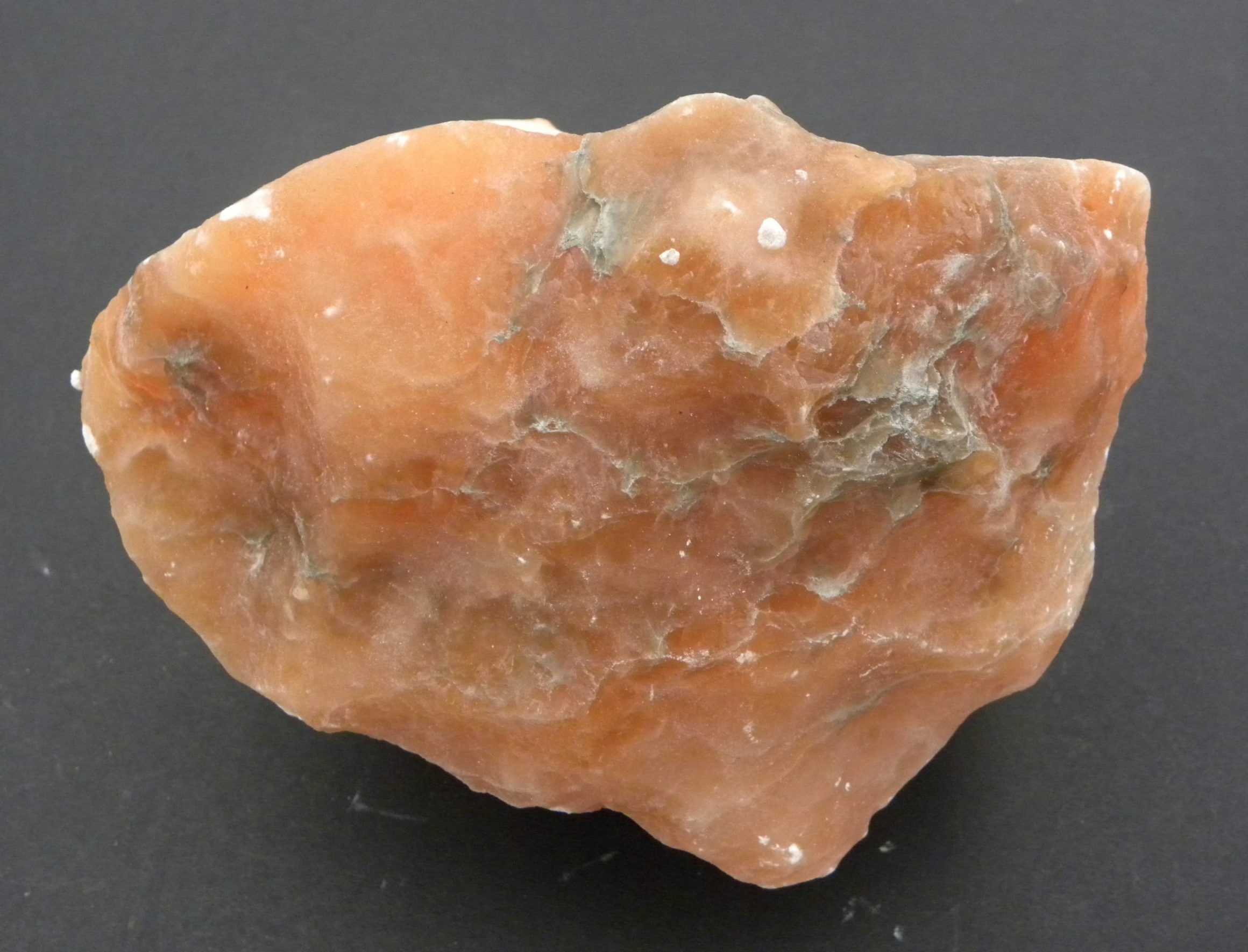
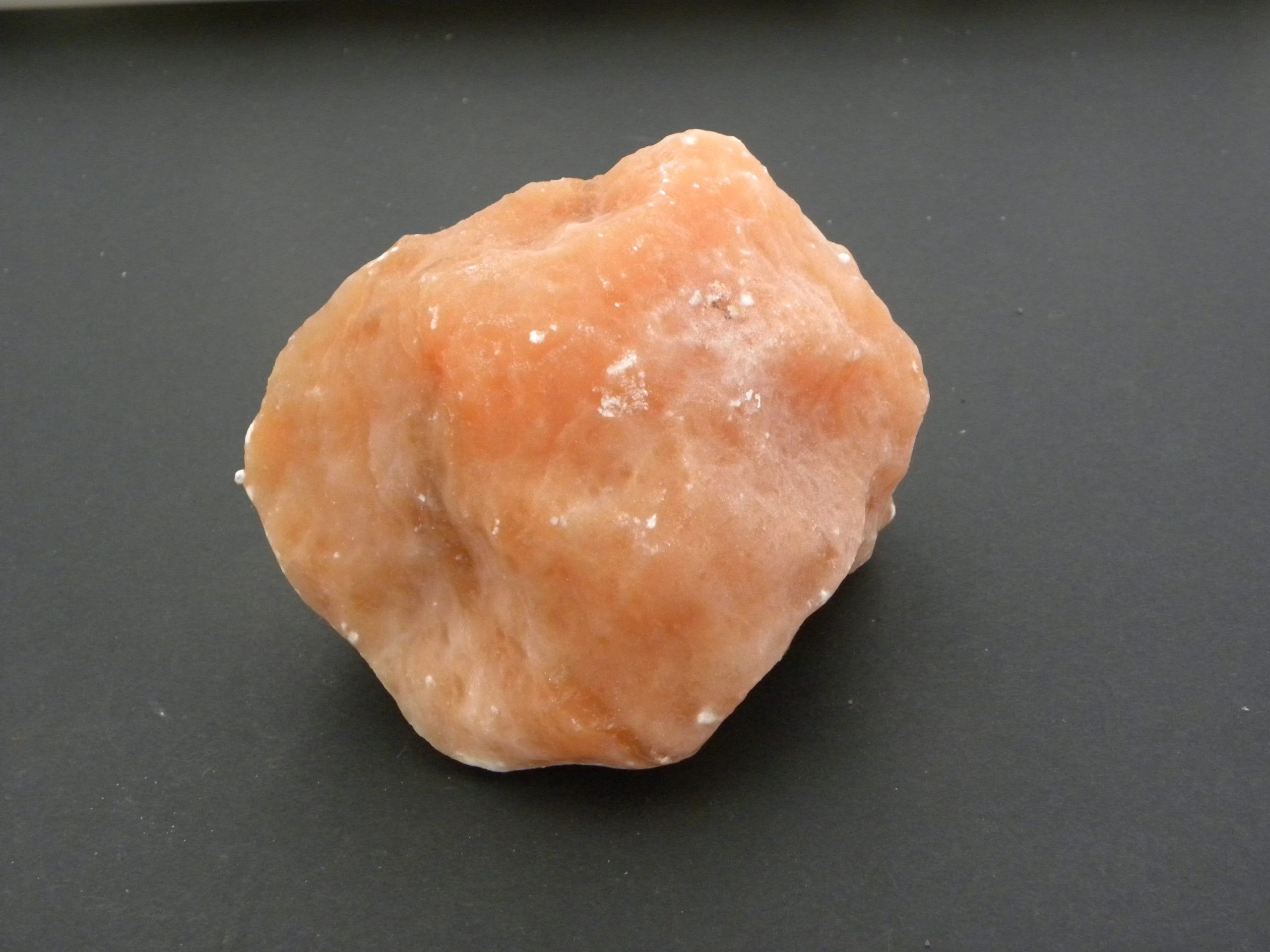
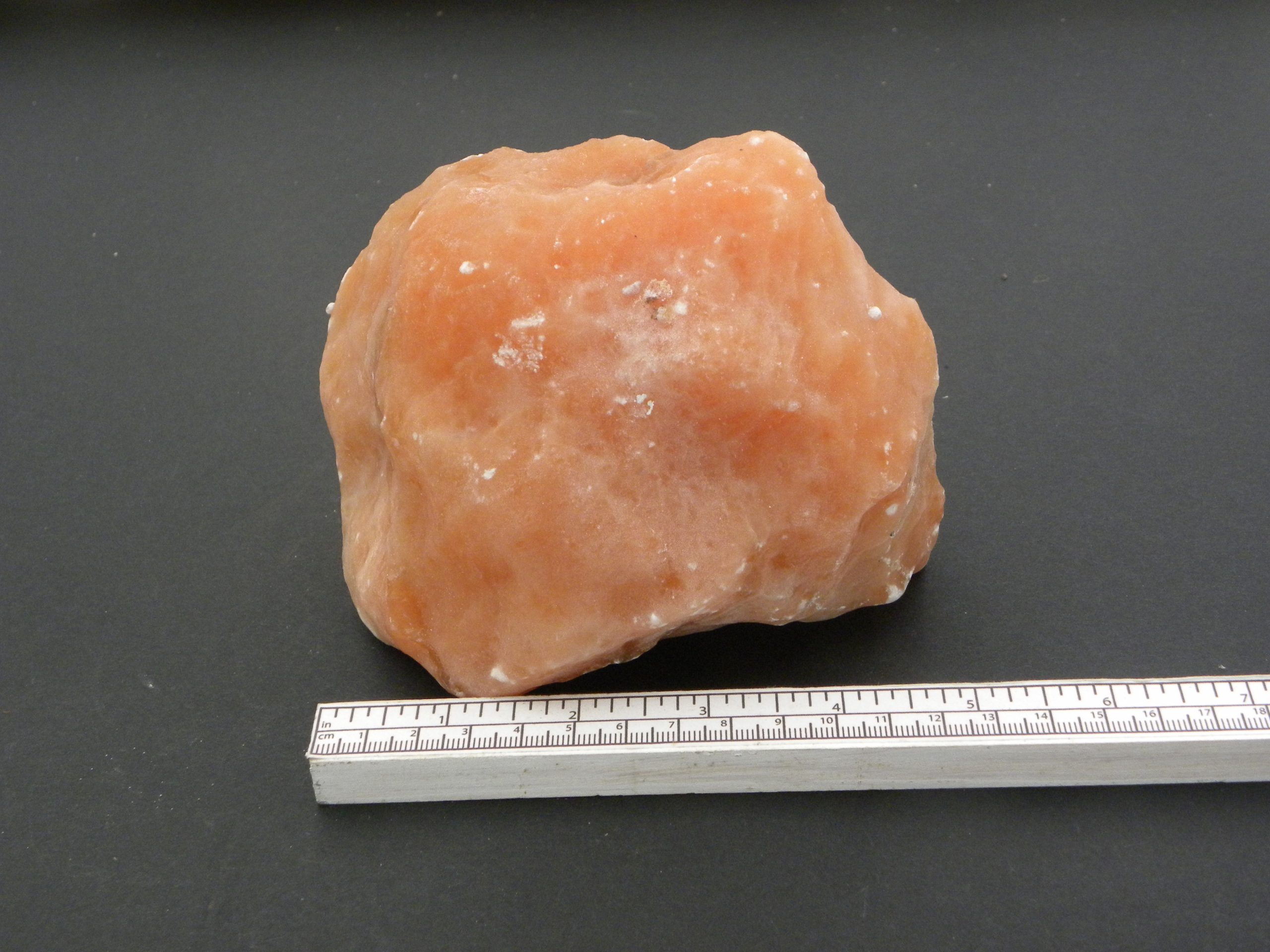
Somerset Pink Alabaster/Gypsum (calcium sulphate) 15cm 1277gm
This large specimen of fine grained Alabaster is a rich salmon pink colour, and comes from Blue Anchor Bay, Somerset. This specimen weighs 1 kilo 277gm and measures 13cm across at its widest point. Alabaster is a crystalline and also a translucent form of Gypsum. (a hydrous sulphate of calcium) It is classified as an evaporite mineral, formed millions of years ago. It was formed by the evaporation of lakes, leaving the gypsum behind to solidify. In the same way as salt pans produce salt. The nodular pink gypsum or alabaster comes from the green and grey mudstone at the eastern end of Blue Anchor Bay. The gypsum from Blue Anchor Bay is highly sought after by sculptors and has been for hundreds of years.
Alabaster gets its name from the Greek word ‘alabaster’s‘. Because of the fine grains in the gypsum, it is easy to polish. Additionally it was popular, being a softer and more workable alternative to marble. The ancient Greeks and Romans regarded this as an important mineral for carving and making storage and also drinking vessels. When cut in thin sheets, alabaster was put to use as windows, as it was translucent enough to let the light through. These days the largest workable deposits of Alabaster are in the Ebro Valley in Aragon, Spain.
Return to Crystals and Minerals Return To Minerals A-Z